

Commercial Office Design in 2026: What Has Changed Since the Start of the Year?
Share this Article...
Commercial Office Design in 2026: What Has Changed Since the Start of the Year?
What has held up so far this year, what is starting to shift, and what businesses are beginning to question as office space comes under greater scrutiny.
( 3 – 5 Minute Read )
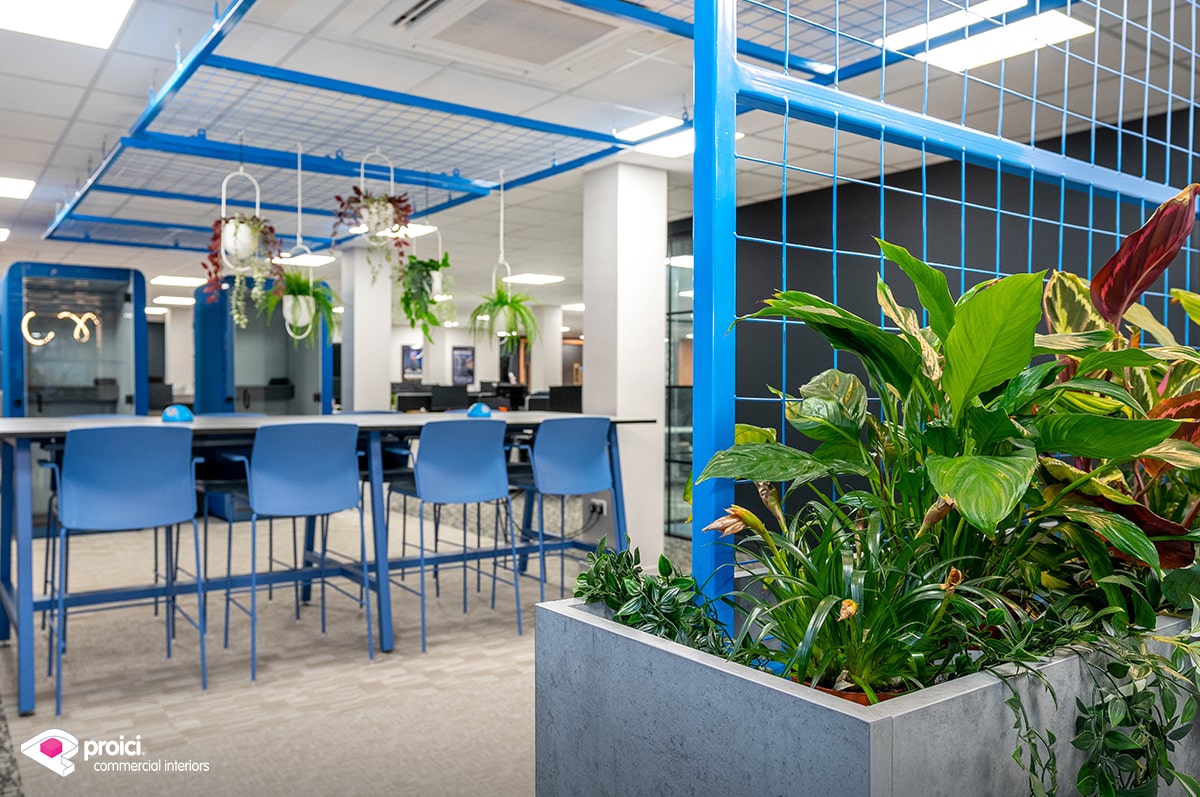
At the start of 2026, much of the conversation around commercial office design focused on what was expected to shape the year ahead. Flexible working was still influencing the brief, collaboration space was still high on the list, and familiar themes such as sustainability, wellbeing and workplace identity were appearing across almost every discussion.
Now that we are halfway through the year, the more useful question is not what was predicted, but which ideas are genuinely holding up in practice, which ones are beginning to feel overplayed, and where businesses are becoming more demanding about how office space performs when people are actually using it.
That change in emphasis makes sense. Office space is being judged more closely than it was a year or two ago, partly because utilisation has risen, partly because attendance patterns are settling, and partly because clients are under more pressure to make every part of the workplace work harder. For a look at the ideas that shaped expectations at the start of the year, you can also read our Office Design Trends 2026 article.
From our perspective, the biggest shift since January is that businesses are becoming more critical of vague design logic. They still want attractive, welcoming offices, but they are asking sharper questions about what each area is for, how well the layout supports different kinds of work, and whether the space will continue to make sense once the novelty of a new design has worn off.
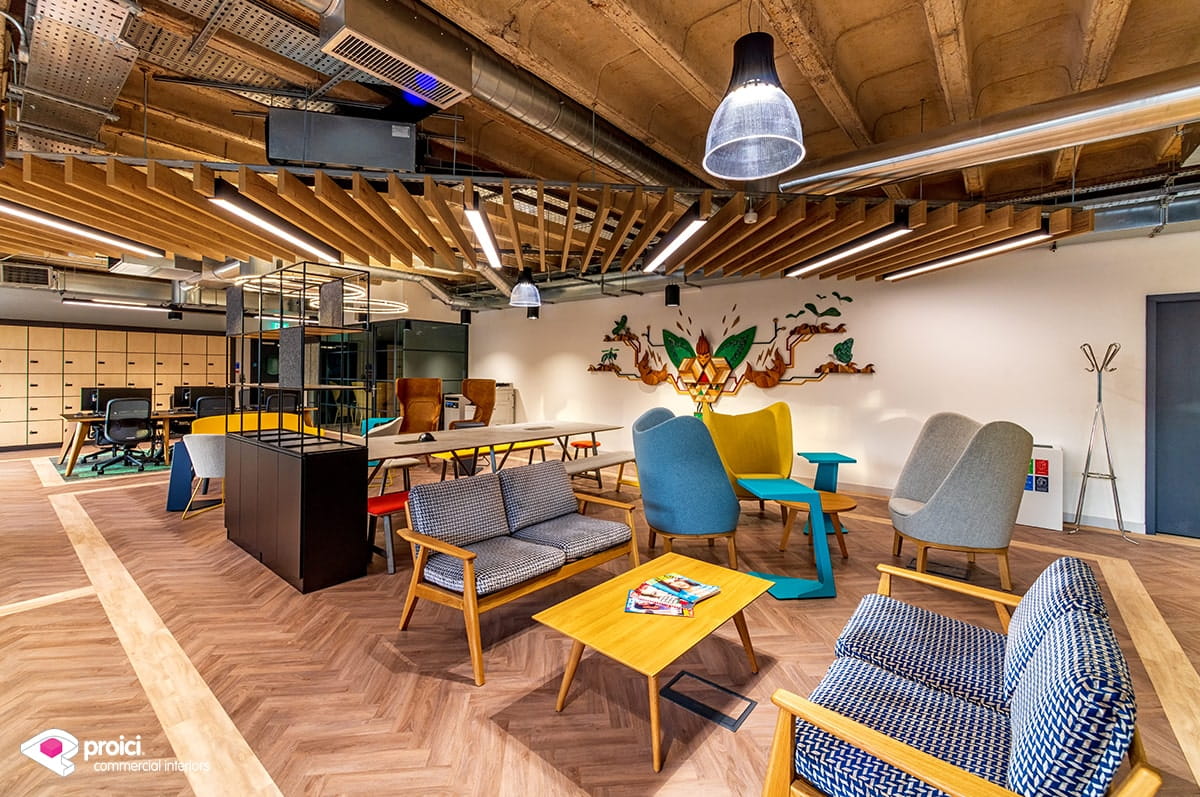
What is still holding up in 2026
A broader mix of work settings
One of the stronger workplace shifts of recent years is still proving its value because it answers a real operational need rather than a passing design preference. A workplace built around one dominant setting rarely performs as well as one that gives people a genuine choice in how they work across the day, whether that means shared project space, enclosed rooms for focused tasks, informal breakout settings, private call points or quieter corners for short periods of concentration.
What has changed is the level of care clients expect in how that mix is planned. The idea of flexibility on its own is no longer enough. Businesses are looking more closely at whether a workplace actually supports the range of tasks their teams carry out, and whether those settings have been thought through properly rather than added to the plan because they sound current.
Social space with a clearer purpose
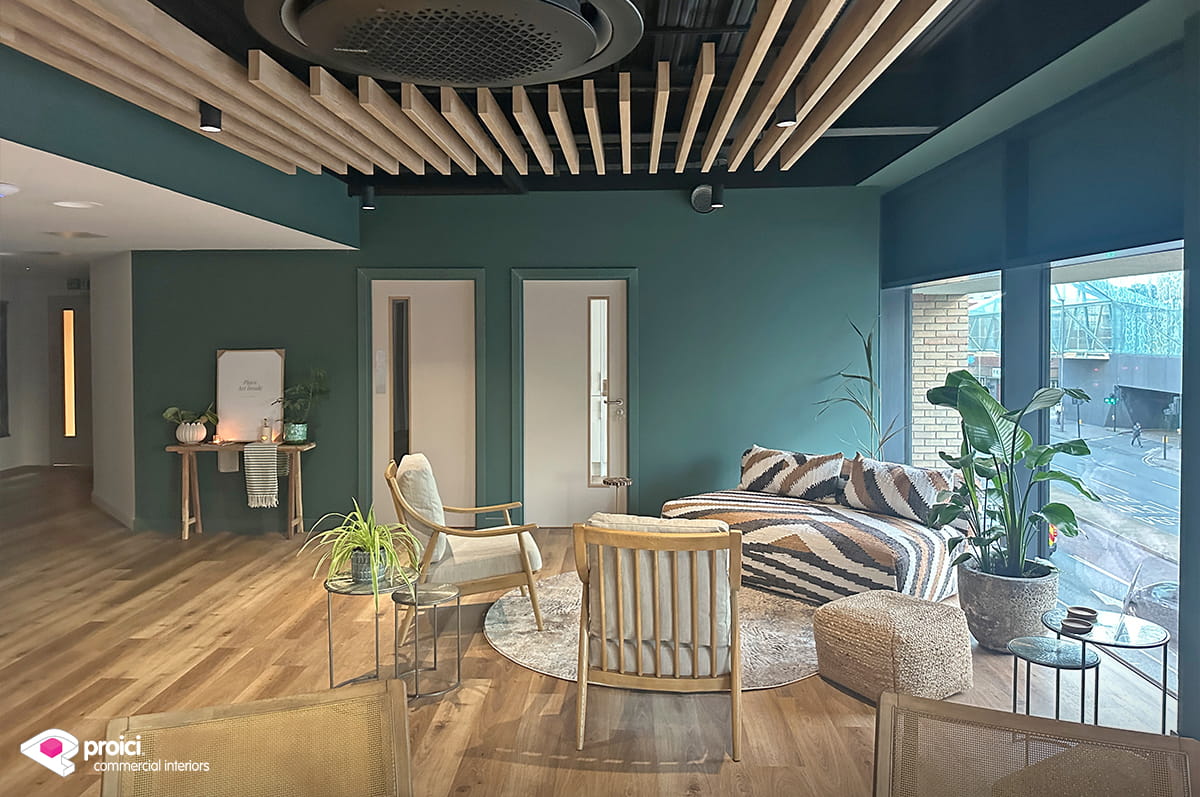
Warm arrival spaces, more comfortable breakout areas and better informal meeting settings are still valuable, particularly where they improve the day-to-day experience of the workplace and give people somewhere practical to gather without forcing everything back into a formal boardroom. Few businesses want an office that feels cold or overly rigid, and a more welcoming atmosphere still matters.
What is changing is the expectation behind those spaces. Clients are less interested in gesture areas that fill a layout neatly and more interested in social settings that support the rhythm of the working day, encourage useful interaction and contribute something meaningful to the wider workplace. That is a positive change, because the strongest spaces are rarely the ones that look busiest on a concept board, they are the ones that stay useful once the office is in full use.
Refurbishment with better judgement behind it
Sustainability remains a major part of the brief, although the conversation around it has become more grounded. More businesses are asking what can be retained, upgraded or reused before they move towards full replacement, and that shift is being shaped by both environmental expectations and commercial pressure.
That more measured approach is one of the better changes we have seen this year, because good refurbishment rarely comes from replacing everything. It comes from understanding what should stay, what should improve, and where investment will have the biggest impact on how the workplace functions over the long term.
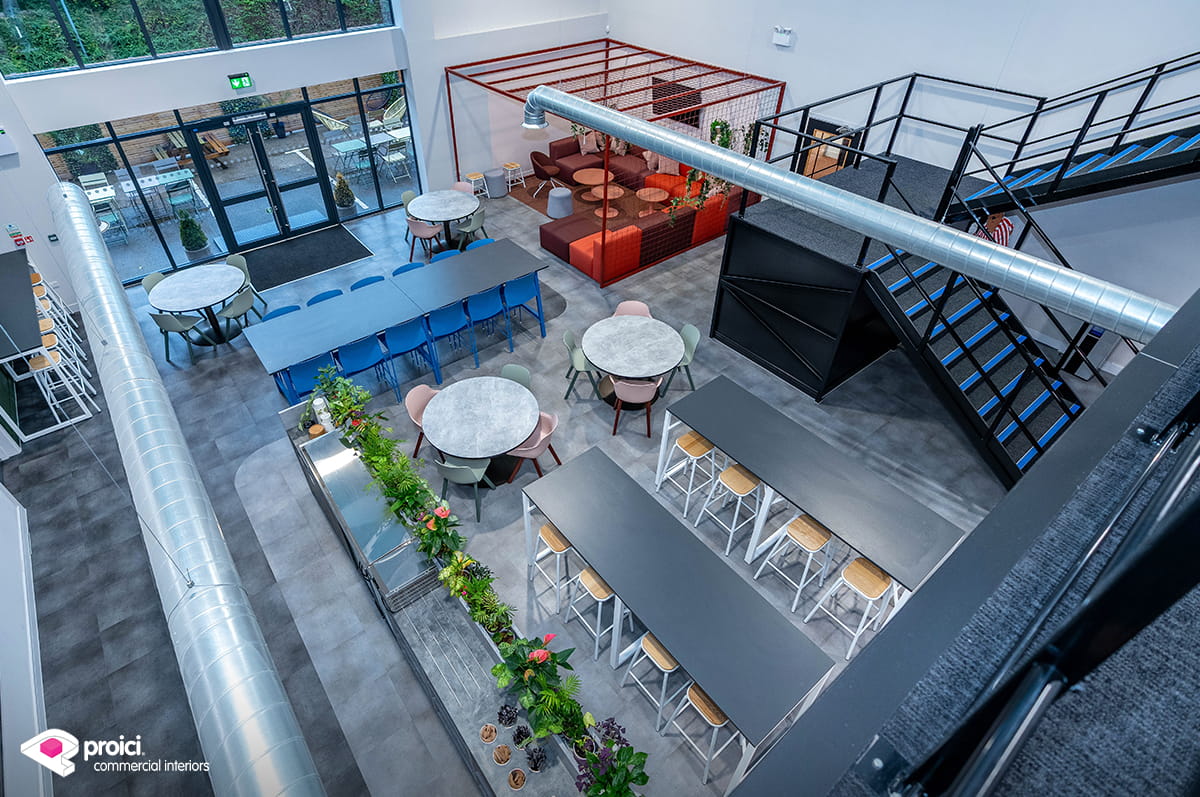
What has changed since January
Office space is being judged more closely
One of the clearest changes this year is that office space has come under greater scrutiny. The discussion is no longer limited to whether the workplace feels more attractive than it did a few years ago. Clients are looking harder at how it performs on busier days, how it handles movement and pressure, how well it supports different work modes, and whether each part of the layout genuinely earns the room it takes up.
That makes the design conversation more demanding, but in a useful way. A workplace now has to account for occupancy patterns, acoustic comfort, circulation, adaptability and the simple question of whether the experience holds up properly once teams are back in and using the space more consistently.
Quiet space has moved back up the priority list
Collaboration still matters, but many businesses are now looking again at acoustics, privacy and focused work because they have enough experience of open, socially led layouts to know where those environments start to fall short. This does not mean the office is becoming less collaborative. It means the balance is becoming more realistic.
The better workplaces are the ones that handle both sides of the day well, giving teams room to come together while still providing settings where people can think, work quietly and deal with tasks that need a calmer environment. That is one of the biggest practical corrections taking place this year, and it is likely to shape many fit-out and refurbishment briefs in the months ahead.
Technology is shaping the brief earlier
Another noticeable change is that technology planning is moving further up the process. Clients are talking earlier about booking systems, collaboration tools, space data, visibility across teams and the likely impact of AI on how the office may be used over time, which means tech-readiness is starting to influence layouts and infrastructure earlier rather than being added at the end.
This is still an evolving area, but it is already changing the way some businesses think about flexibility, meeting space, hybrid working patterns and the relationship between physical space and digital tools. In practical terms, that makes the workplace brief more layered than it was at the start of the year.
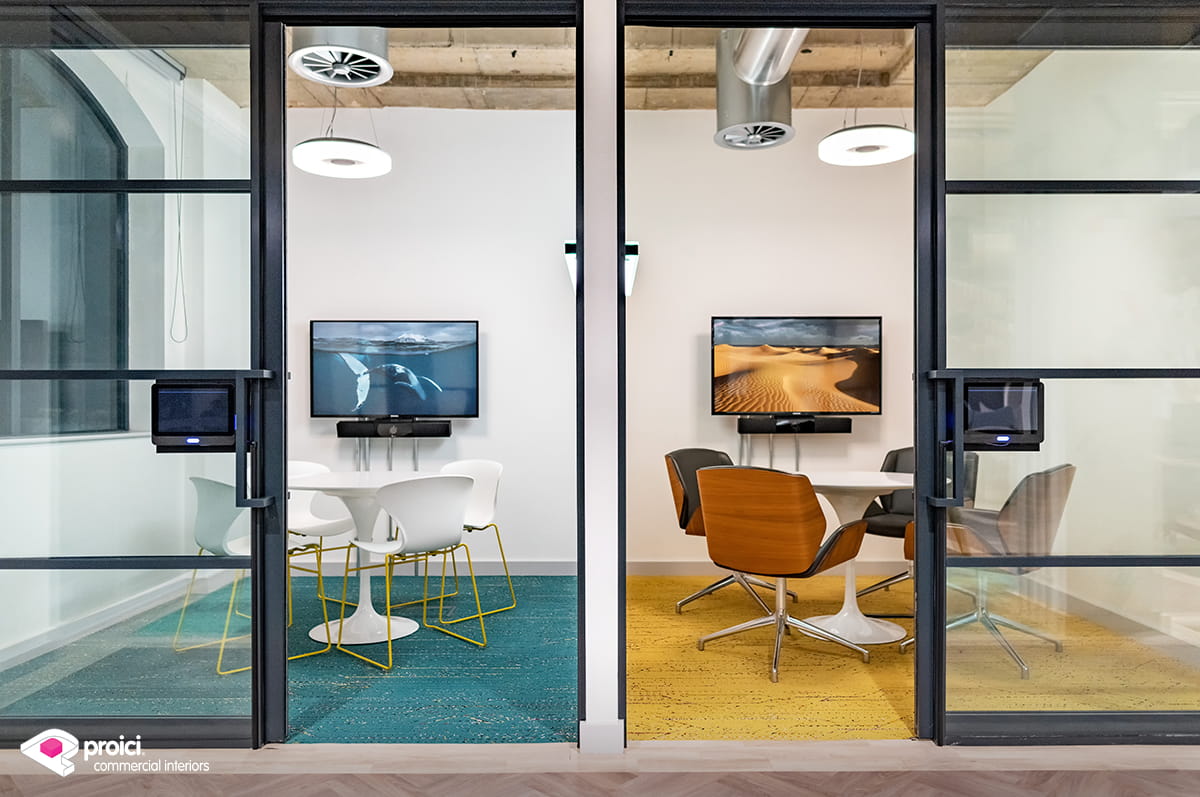
What businesses are starting to question
Soft, polished interiors that could belong to anyone
There is still strong demand for warm, welcoming office interiors, and rightly so, because very few businesses want a workplace that feels cold, dated or overly corporate. Even so, there are projects where the softer look starts to do too much of the work, with finishes, loose furniture and decorative details expected to create a sense of quality that the layout itself has not really earned.
This is where some offices begin to feel interchangeable. Different businesses, in different sectors, can end up drawing from the same muted palette, the same broad resimercial cues and the same loose idea of comfort, yet very little in the space reflects how that business actually operates or what its teams need from the workplace. Warmth and character still matter, but they mean more when they sit on top of a layout with real clarity and purpose.
Collaboration space that sounds right but underperforms
Collaboration remains one of the strongest reasons people come into the office, but there is a clear difference between creating useful collaborative settings and filling the floorplate with loosely defined breakout space. The issue is not collaboration itself. The issue is space that is labelled collaborative without being planned carefully enough to support how people actually review work, share ideas, make decisions or move between team tasks.
Oversized lounge zones, open bench settings with poor acoustics and informal corners that look busy in concept presentations can lose value quite quickly when they are put to everyday use. This is one of the areas where clients are becoming more demanding, because a space that looks current is not necessarily a space that works especially well once the office gets busy.
Flexibility that has never been tested properly
Flexibility is still important, although the term has been stretched so far in recent years that it can now mean almost anything. In some schemes, it has become a way of avoiding harder planning decisions, which often leaves the workplace feeling unresolved.
Practical flexibility is different. It means creating a workplace that can absorb change without feeling vague in the present, whether that involves phased growth, changes in team structure or a broader mix of work patterns over time. That kind of adaptability is more useful than simply filling a plan with movable elements and hoping the space will sort itself out later.
Sustainability language without enough project logic behind it
Sustainability is not fading from the brief, but vague sustainability language is becoming less persuasive. Clients are asking better questions about retention, reuse, lifecycle value and how a fit-out will perform over time, which is a positive shift because it moves the conversation away from broad claims and towards real project decisions.
For us, the stronger projects are the ones where sustainability is built into the design logic from the start, shaping the specification, retention strategy and long-term thinking behind the workplace rather than appearing later as a layer of messaging.
What this means for the second half of 2026
The strongest workplaces will feel more considered, not more crowded with ideas
If there is one pattern that stands out at the halfway point of 2026, it is that office design is becoming more selective, more commercially aware and, in many cases, more mature. The conversation has moved on from simply making offices feel more attractive or more relaxed, because businesses are now looking harder at relevance, adaptability, day-to-day performance and the simple question of whether the workplace genuinely supports the people using it.
From our point of view, that is a positive change because it leads to better briefs, clearer decisions and stronger outcomes. Some of the ideas that dominated early discussions this year will stay, and they should, because many of them still hold real value. What is changing is the level of scrutiny around how they are used, how much space they take up, and whether they continue to make sense once the office is in full use.
The strongest offices in the second half of 2026 will not be the ones that collect every trend still circulating. They will be the ones that feel well judged, properly resolved and closely aligned with the way the business actually works.
Commercial office design in 2026: mid-year summary
If you are reviewing your office space this year, whether you are planning a full office fit out, an office refurbishment or a more focused reconfiguration of your existing workplace, it is worth stepping back and asking which parts of the brief are genuinely useful, which are there out of habit, and which decisions will still make sense a few years from now.
At Proici, we design and deliver commercial interiors shaped around real use, clear business needs and long-term value, helping businesses create workplaces that support people properly and perform well over time. Our approach has always been simple: we listen, we learn, and we design around what the business genuinely needs rather than what happens to be fashionable at the time. You can also explore our office design services to see how we approach commercial workspace projects across the UK.
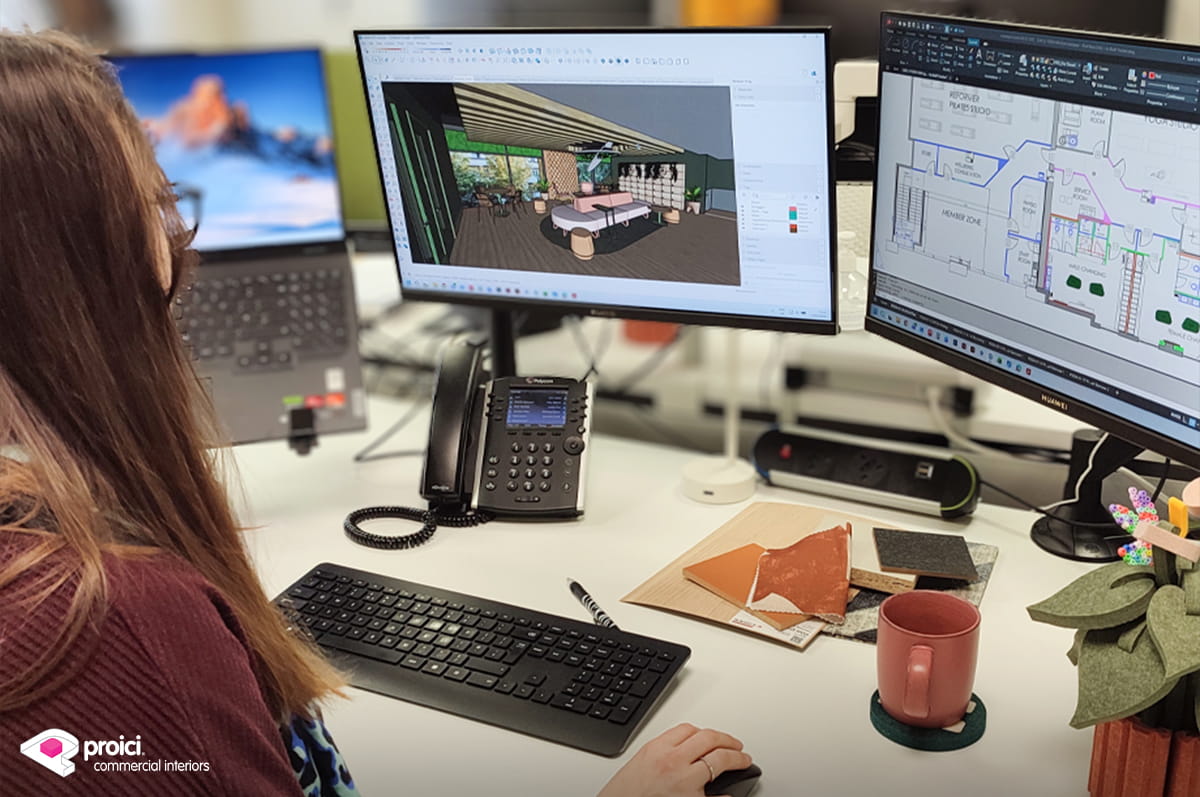
We are here to help, if you need advice in regards to your new or potential office space - be it large or small - we can help you make the most out of your budget.
Contact Us Today