
Cat A and Cat B Fit Out Explained
Cat A and Cat B are classification standards used within office fit out and refurbishment projects to describe the condition and readiness of a commercial space. Understanding the difference helps landlords and occupiers confirm what’s included at handover, what still needs doing, and what “ready to occupy” really means.
Important: Cat A and Cat B are project classifications, not standalone services.
For more detail on scope, process, and cost considerations, see our Office Fit Out and Office Refurbishment pages.
What is a Cat A fit out?
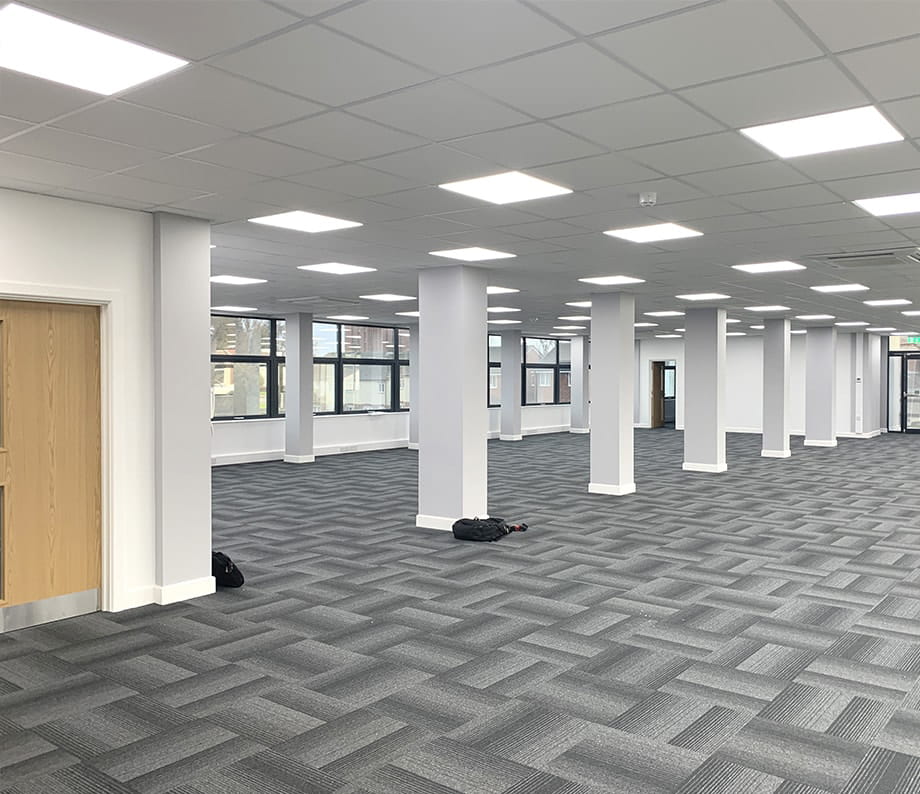
A Cat A fit out is typically a landlord-provided, base-level finish that prepares a space for marketing or letting. It usually provides the essentials, but not the final layout, finishes, and features needed for day-to-day occupation by a specific business.
Cat A works commonly include:
- Suspended ceilings (basic finish)
- Raised access floors (basic finish)
- Basic mechanical and electrical services (distribution ready for tenant fit out)
- Fire detection / life safety systems
- Core plumbing and WCs (where included in the landlord specification)
- Basic internal finishes (walls and floors, where applicable)
Because landlord specifications vary, “Cat A” should always be confirmed against the lease, the landlord’s handover spec, and the building condition on site.
What is a Cat B fit out?
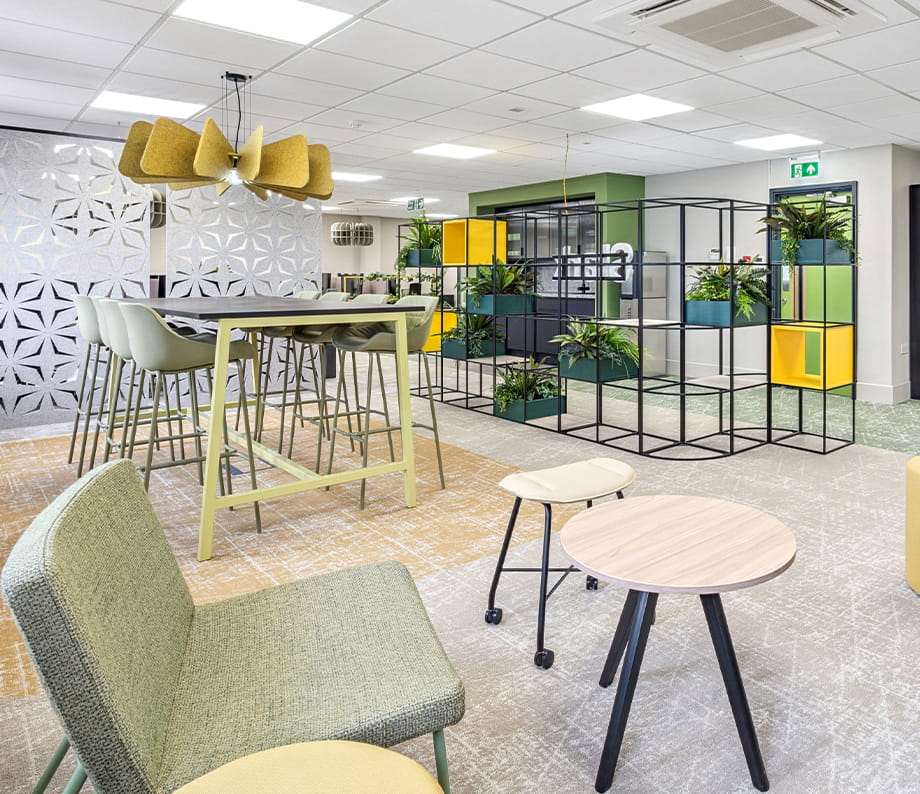
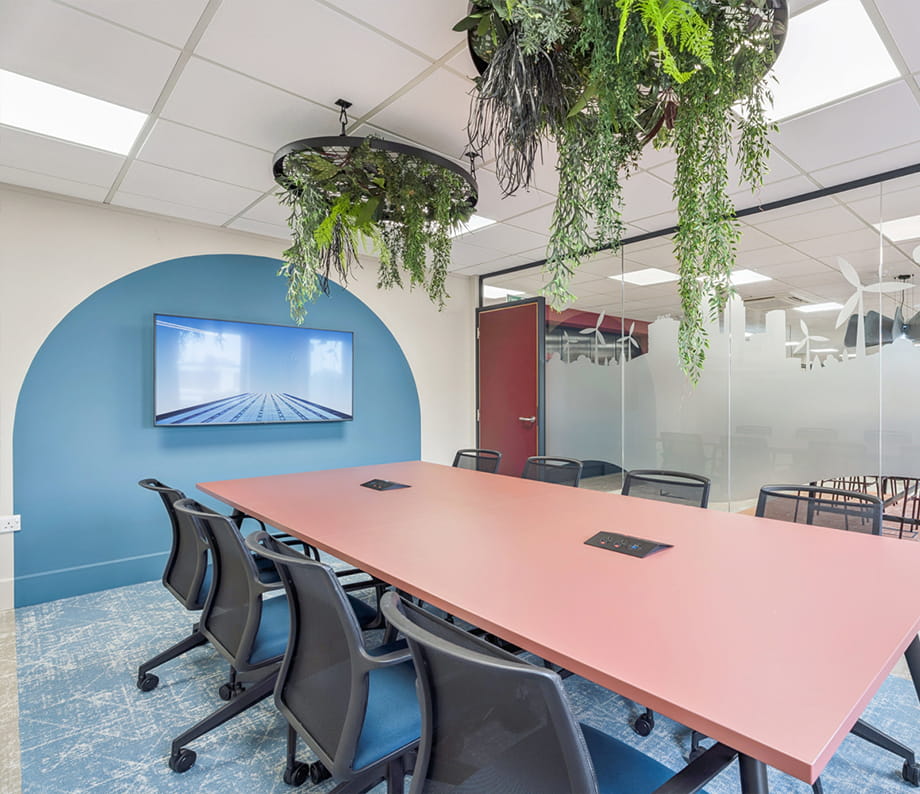
A Cat B fit out takes a Cat A space (or an existing office) and completes the elements required to create an occupation-ready workplace tailored to how a business operates.
Cat B works commonly include:
- Space planning and layout configuration
- Partitioning (meeting rooms, quiet areas, collaboration zones)
- Floor finishes and wall treatments
- Feature lighting and power/data distribution to suit the layout
- Reception areas and front-of-house features
- Kitchen / breakout facilities
- AV installations and IT readiness
- Furniture and storage
- Signage, branding, and bespoke joinery
Cat B is often delivered as part of an office refurbishment or a full office fit out – the correct label depends on the starting condition of the space and the extent of change required.
Cat A vs Cat B: key differences
The simplest way to think about it:
- CAT A provides a landlord’s base finish to make a space lettable.
- CAT B completes the workplace so a business can operate day to day.
Key differences usually relate to responsibility and readiness:
- Purpose: CAT A is a neutral base standard; CAT B is tailored to a specific occupier.
- Responsibility: CAT A is typically landlord-led; CAT B is typically tenant/occupier-led.
- Outcome: CAT A is market-ready; CAT B is occupation-ready.
What is the Difference Between a CAT B Fit Out and a Refurbishment?
An office refurbishment focuses on improving and upgrading an existing workplace without creating a completely new interior from scratch. It usually applies where a business is already operating in the space and wants to modernise, reconfigure, or improve performance.
A CAT B fit out is often used to describe taking a shell and core or CAT A space and completing it to an operational, ready-to-work environment.
In practice, the label depends on what exists at the start:
- If the space is a blank canvas (shell and core / CAT A), it is commonly treated as a fit out.
- If the space is already in use (existing finishes and services), it is commonly treated as a refurbishment.
How Do You Know Which Category Applies?
The correct classification depends on the handover condition and your requirements. It is typically confirmed through a site survey and specification review.
Factors that influence scope include:
- The condition of the space at handover
- Landlord obligations and lease requirements
- Existing services and compliance status
- Your headcount, layout requirements, and ways of working
- Programme constraints and phasing needs (occupied vs vacant)
If you’re looking for more detail on scope, process, and cost considerations, our main service pages explain this in full:
Office Fit Out
Office Refurbishment
Shell and core
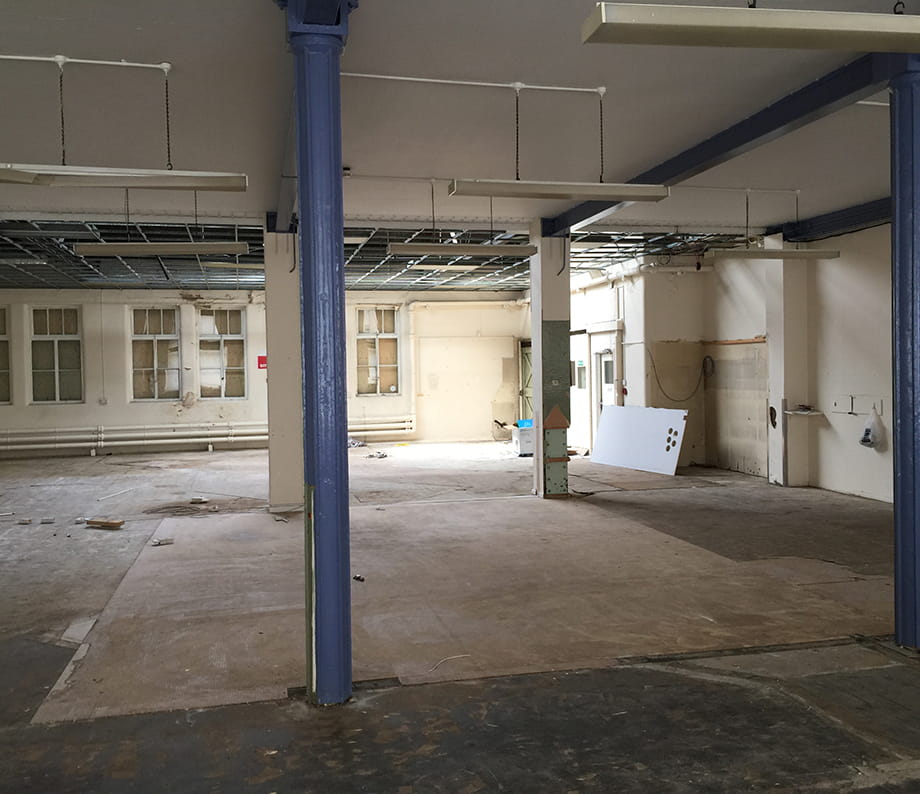
Shell and core refers to an early stage of a commercial building’s development where the structural elements are complete, but the interior is not prepared for occupation.
Depending on the development, shell and core may include the building envelope and core areas (such as stairwells and risers), with internal services and finishes completed later through CAT A works, and final workplace completion delivered through CAT B works.
CAT A and CAT B Fit Out FAQs
Is CAT A the same for every building?
No. CAT A specifications vary between landlords and buildings. Always confirm the handover spec and lease requirements.
Do you always need CAT A before CAT B?
Not always. Some projects start from an existing office and move straight into CAT B-style works as part of a refurbishment.
Is CAT B always called a fit out?
No. If the space is already occupied and you are upgrading what exists, the project is often described as a refurbishment.
What should we do first if we are unsure?
Start with a site survey and review the landlord specification. That determines what’s already in place and what is required to reach an occupation-ready standard.
Why This Guide Is Written by Proici
This guide is written by Proici Commercial Interiors to help landlords, tenants, and occupiers understand how CAT A and CAT B classifications are applied in real projects.
Our team works across office fit out and office refurbishment projects where CAT A and CAT B standards form part of the specification, landlord handover, and lease negotiation process.
This experience allows us to explain how these classifications are interpreted on site, how they vary between buildings, and why a site survey is usually required before scope and terminology can be confirmed.
For full project delivery, costs, and programme planning, see our Office Fit Out and Office Refurbishment services.